

 ⌘ K

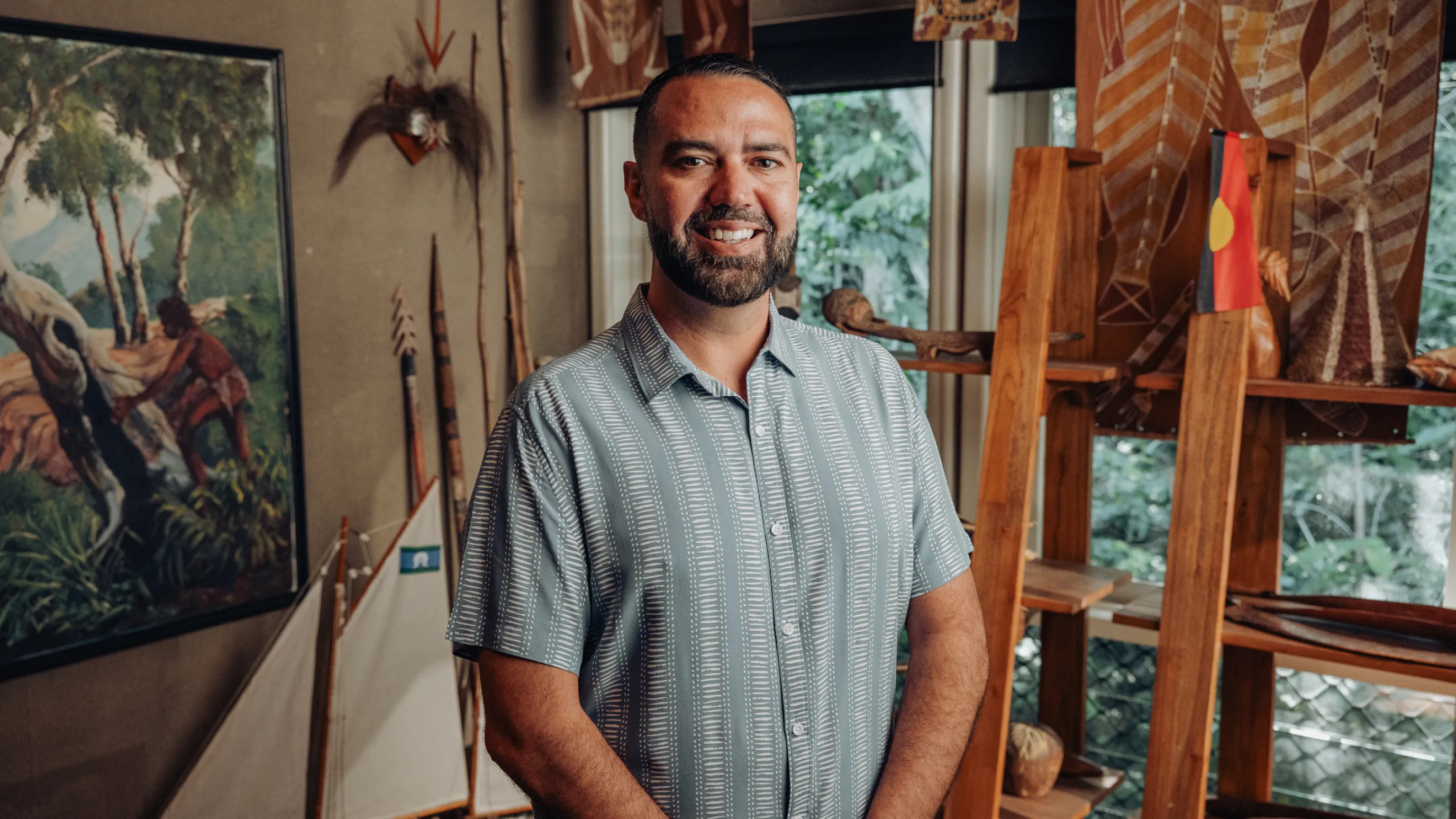
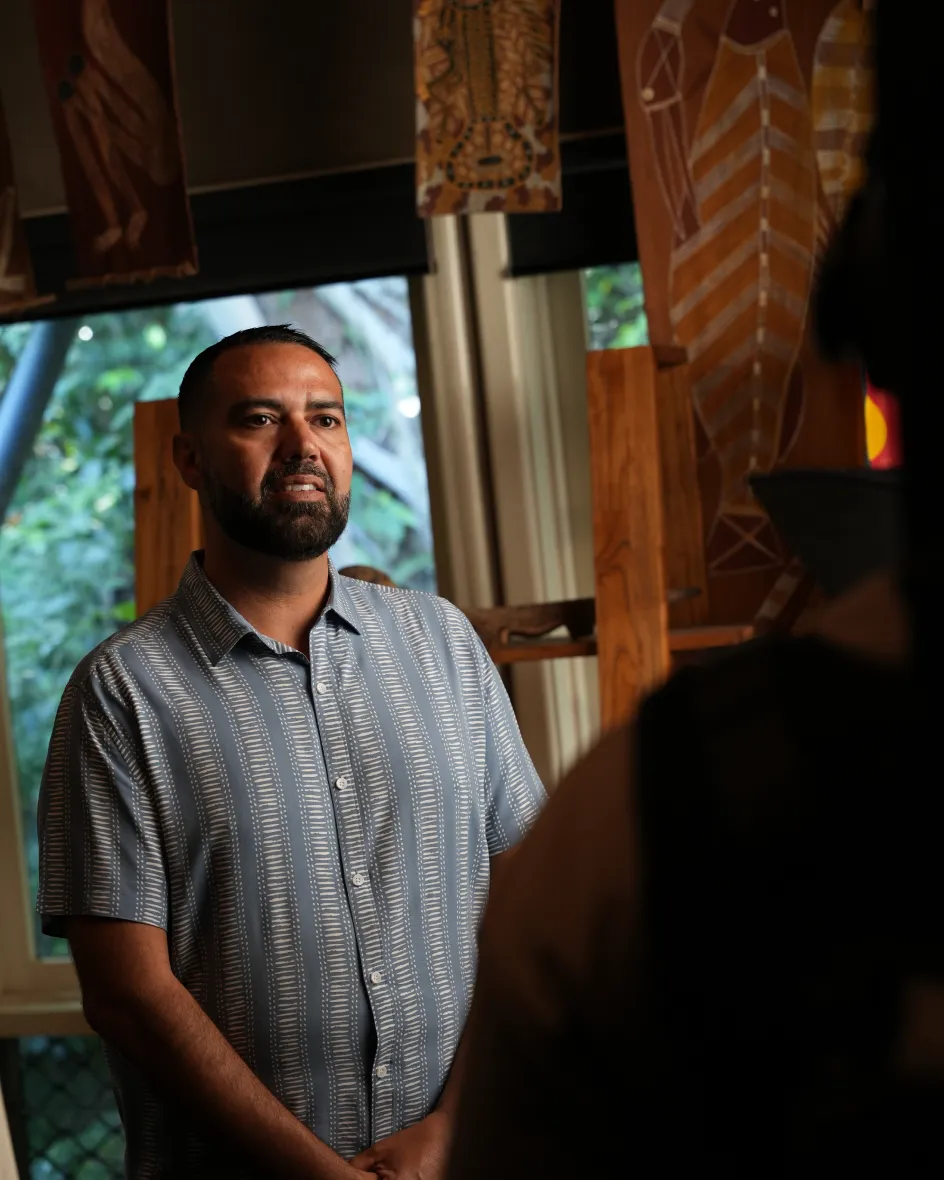
When Kieran Chilcott was graduating from high school on the Gold Coast, his first preference for university was accounting. He liked numbers. His second preference was primary school teaching.
His guidance officer at Palm Beach Currumbin High convinced him to swap them, to make primary school teaching number one because it was harder to get into the program. Soon he was accepted into the teaching program at Griffith University.
“I did it because I thought it’s what I had to do,” says Kieran, at Custard Café along Tallebudgera Creek. “It was like: this is what the government wants you to do.”
Kieran’s parents had not gone to university so they couldn’t give him advice. He was living with his nan in his late teens, and she was inspired to go to university as well. They had a race to see who the first person in the family would be to graduate. Kieran beat her, but barely.
His nan pushed him. His mother, by contrast, had a different way of seeing the world. She had no expectations. “It meant total freedom to do what I wanted to do. When I graduated, my mum clapped for me the same way she clapped for me when I got my first job at the fish shop.”
His first classroom role was at Mount Tambourine Primary. Kieran was a good teacher, he liked the kids, and it was a stable career. But he knew, fundamentally, it was not for him. “It just wasn’t my passion, and I knew it right away. As time passed, I started to get this feeling: if I don’t jump soon, then I know I’ll look back in 20 years from the classroom I am standing in, right now, and wish I had done something different.”
But what?
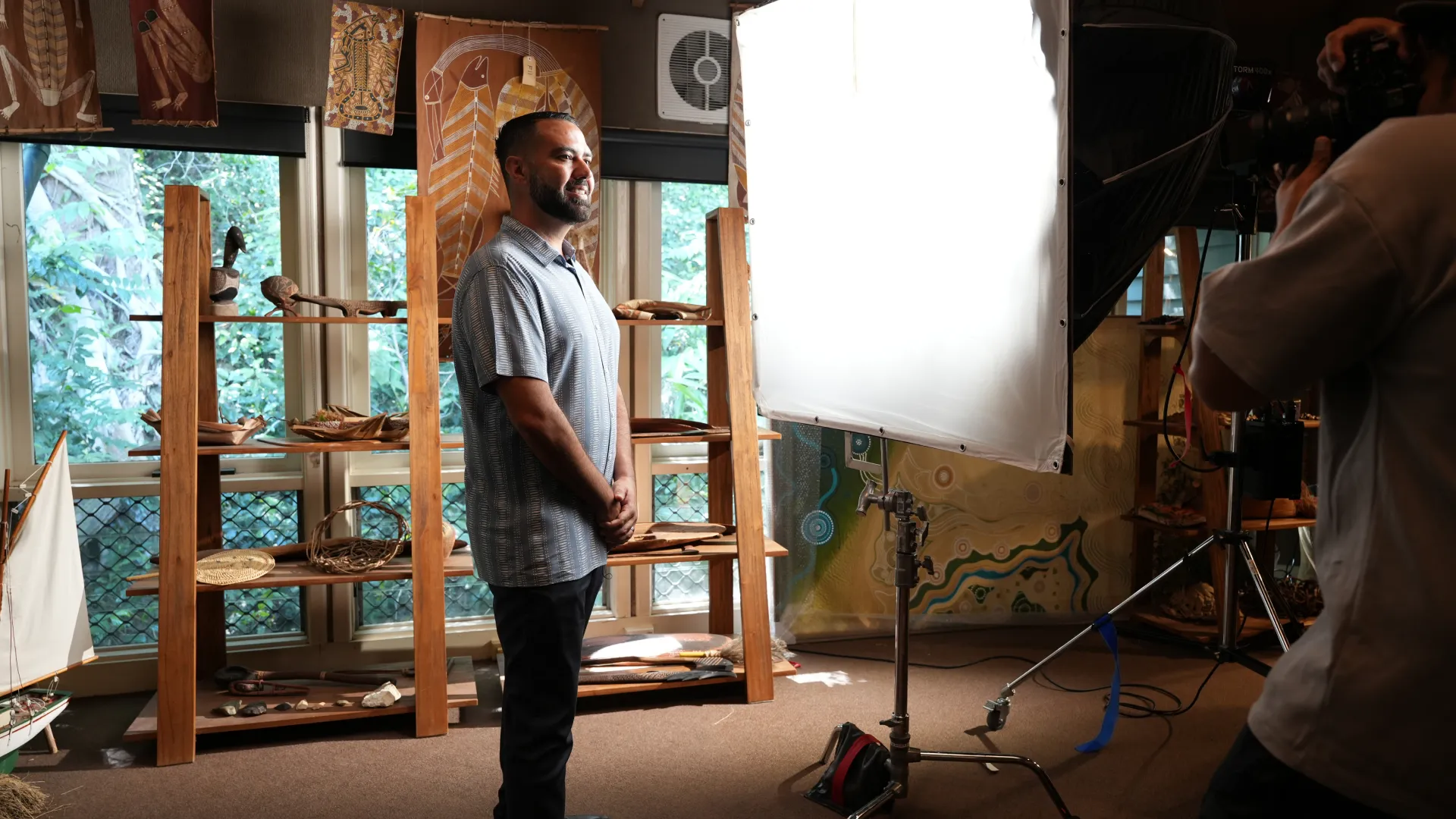
Kieran is a Yurarabul man and his mother had worked for an Aboriginal organisation, so he understood that world. He understood the need for it, having experienced racism and disadvantage. “I always wanted to make a difference in the lives of my people but I didn’t know if I would have the courage to leave teaching.”
In 2009, he and his wife, who is also a teacher, decided to take a working and thinking break. They both signed up to teach in a remote Aboriginal community in Doomadgee, in remote west Queensland. They had two weeks from saying yes to their first day on the job.
“I loved the kids and I think I made an impact on them but it solidified things for me. I thought, I’m not continuing my teachers’ registration after this.”
It was a scary thought, as he had nothing else lined up. But while he was in Doomadgee a position opened with the Gold Coast’s largest Aboriginal organisation: Kalwun. Not just any position: CEO.
The board asked him three times to apply, but he was hesitant as Kalwun had gone through six CEOs in a two-year period.
“There was a really poor, turbulent, toxic culture within the organisation, significant turnover on the board, and a lack of strategy. It was being run from middle management up and middle management down.”
But this is ultimately what Kieran was looking for: a significant change in his life and career, an opportunity to work with Aboriginal people, and a challenge more in line with his passion and talents. He was young, newly married, no kids.
“Growing up here, as an Aboriginal person on the Gold Coast, you’d almost know every other Aboriginal person on the Gold Coast. There were probably 3,000 Aboriginal people on the Gold Coast. You could almost pick out what family people were from based on what they looked like.”
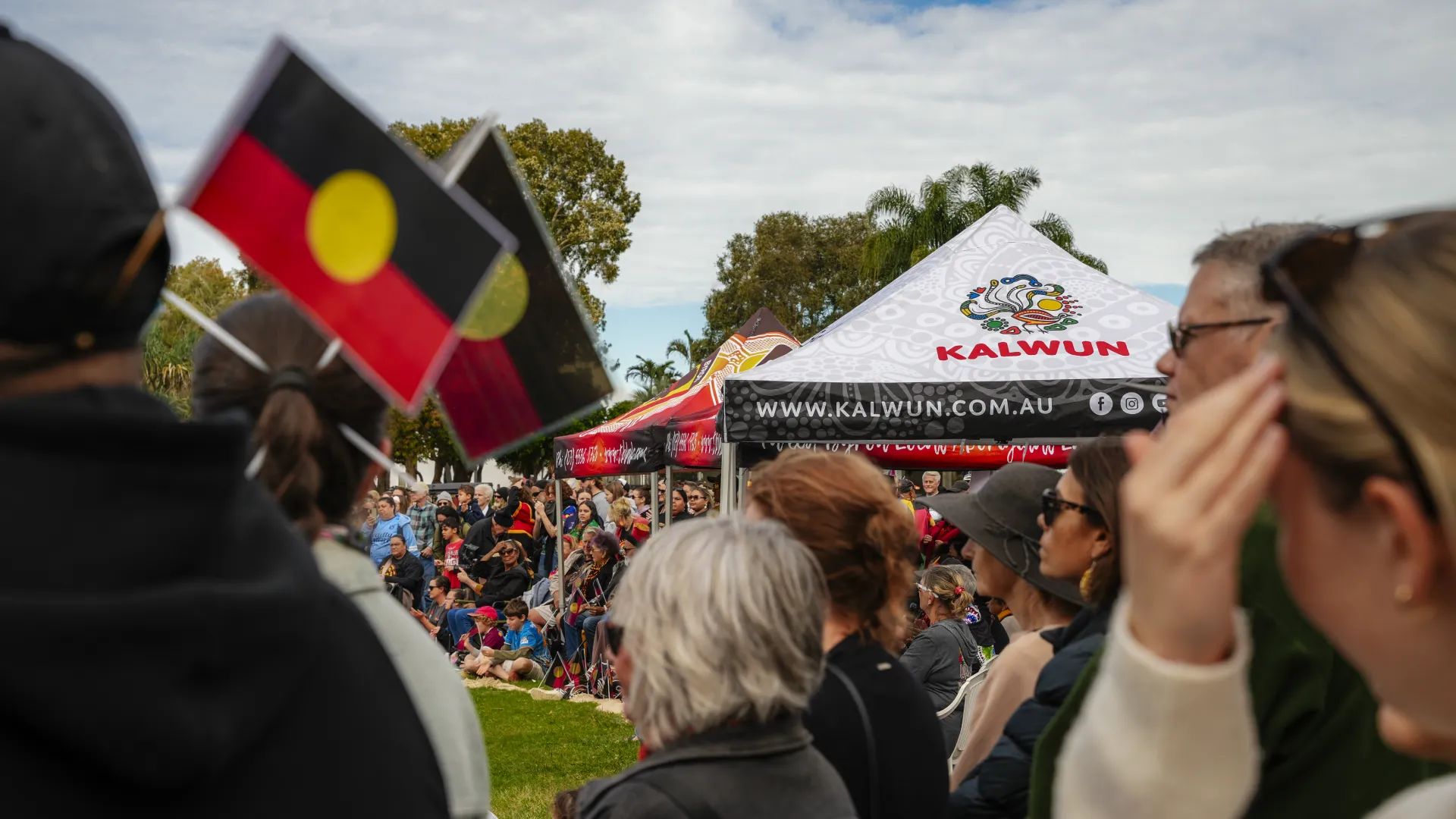
Kieran understood the challenges, for the organisation and for Aboriginal people on the Gold Coast. Health care and the safety of children were at the heart of it, and he could use both his love of numbers and the empathy and patience he had learned as a teacher.
When he got the job, Kalwun went from six CEOs in two years to one CEO since 2009. In the early days, when he met with national counterparts, Kieran was by far the youngest leader of an Aboriginal organisation. Today he remains young, but he carries enormous experience and accomplishments humbly. He and his wife have three daughters. He is on multiple boards, and constantly in-demand. He has a distinctly Gold Coast way of seeing the world: when he and his team encounter a problem, or see an opportunity, they have a crack.
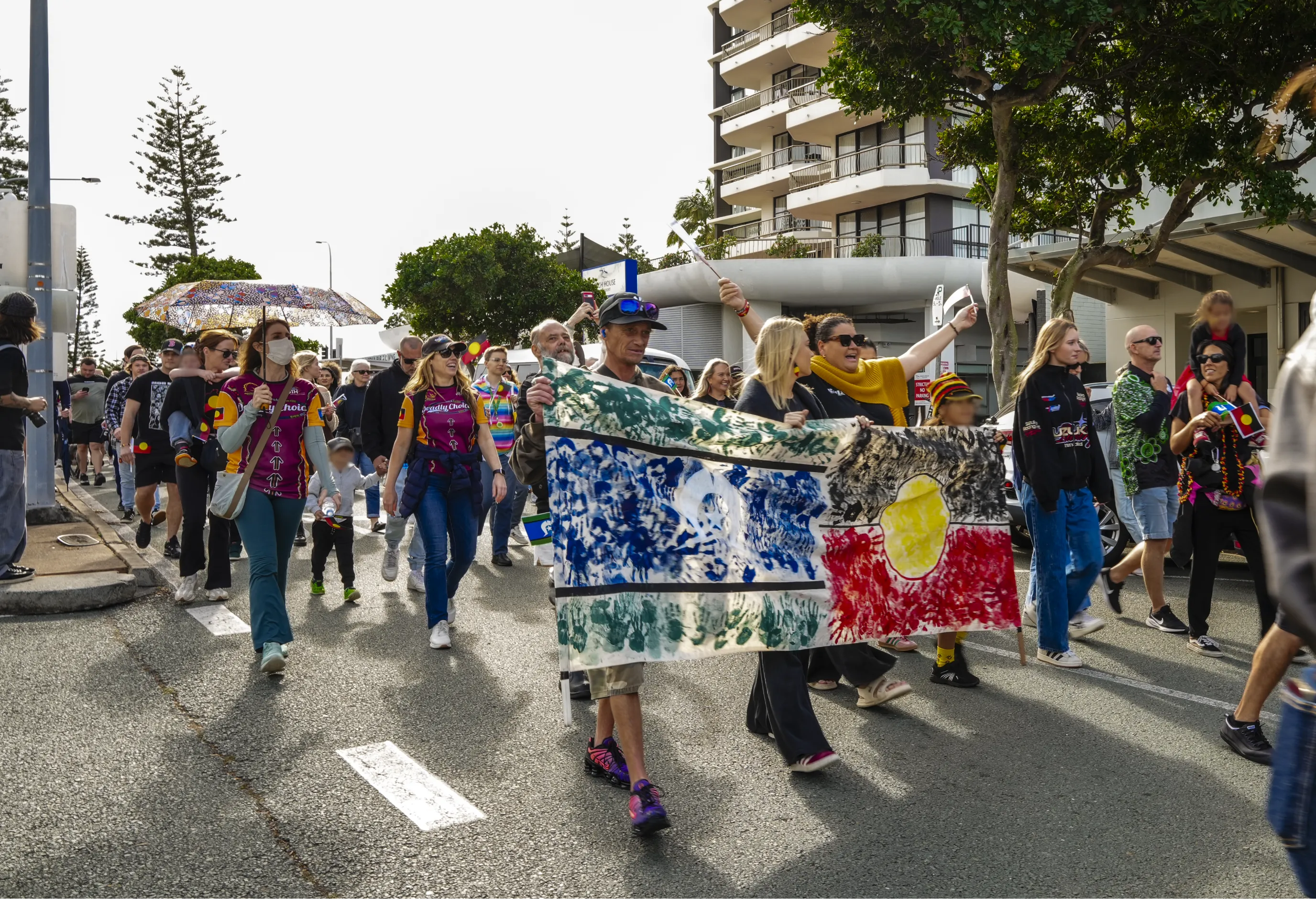
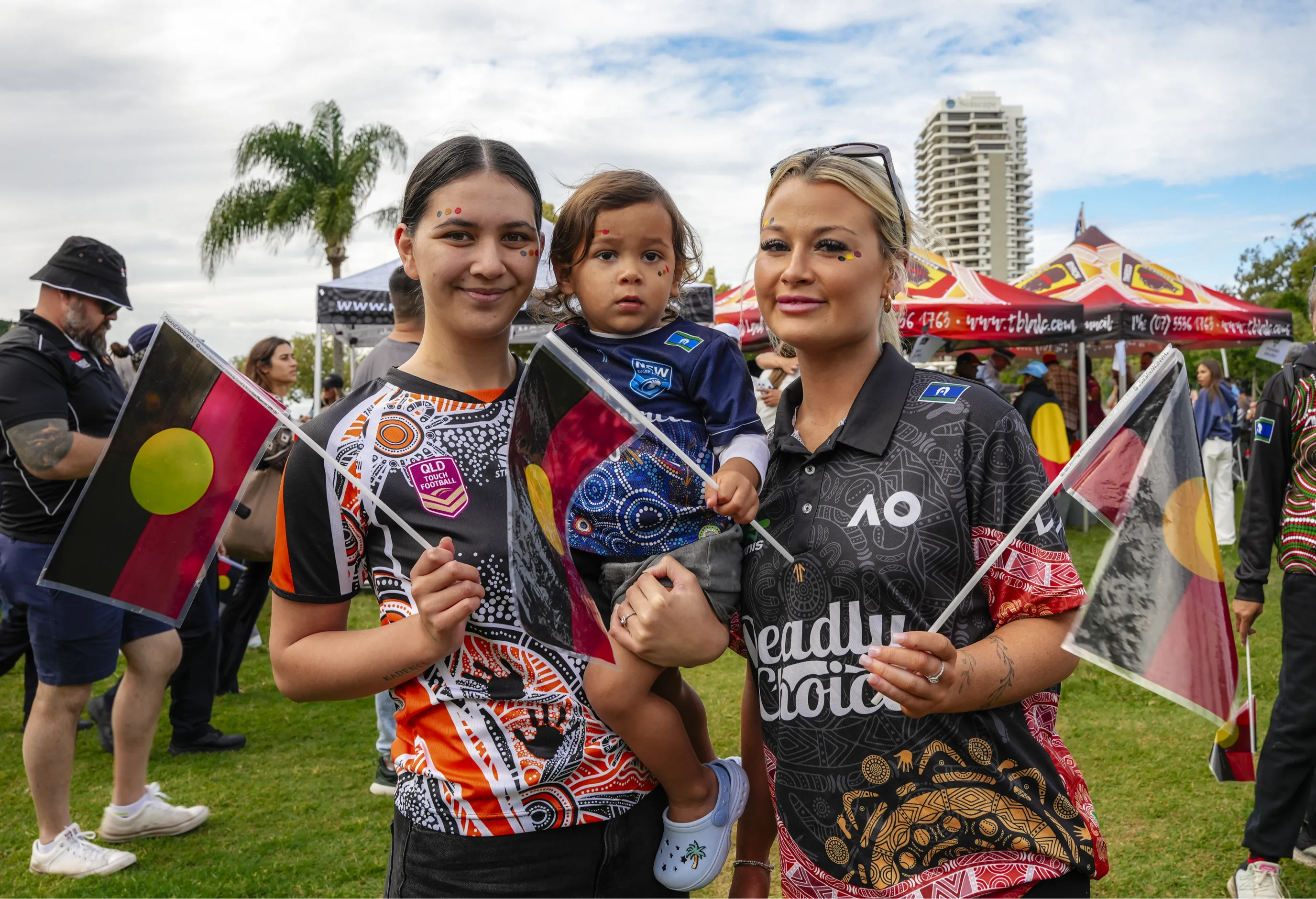
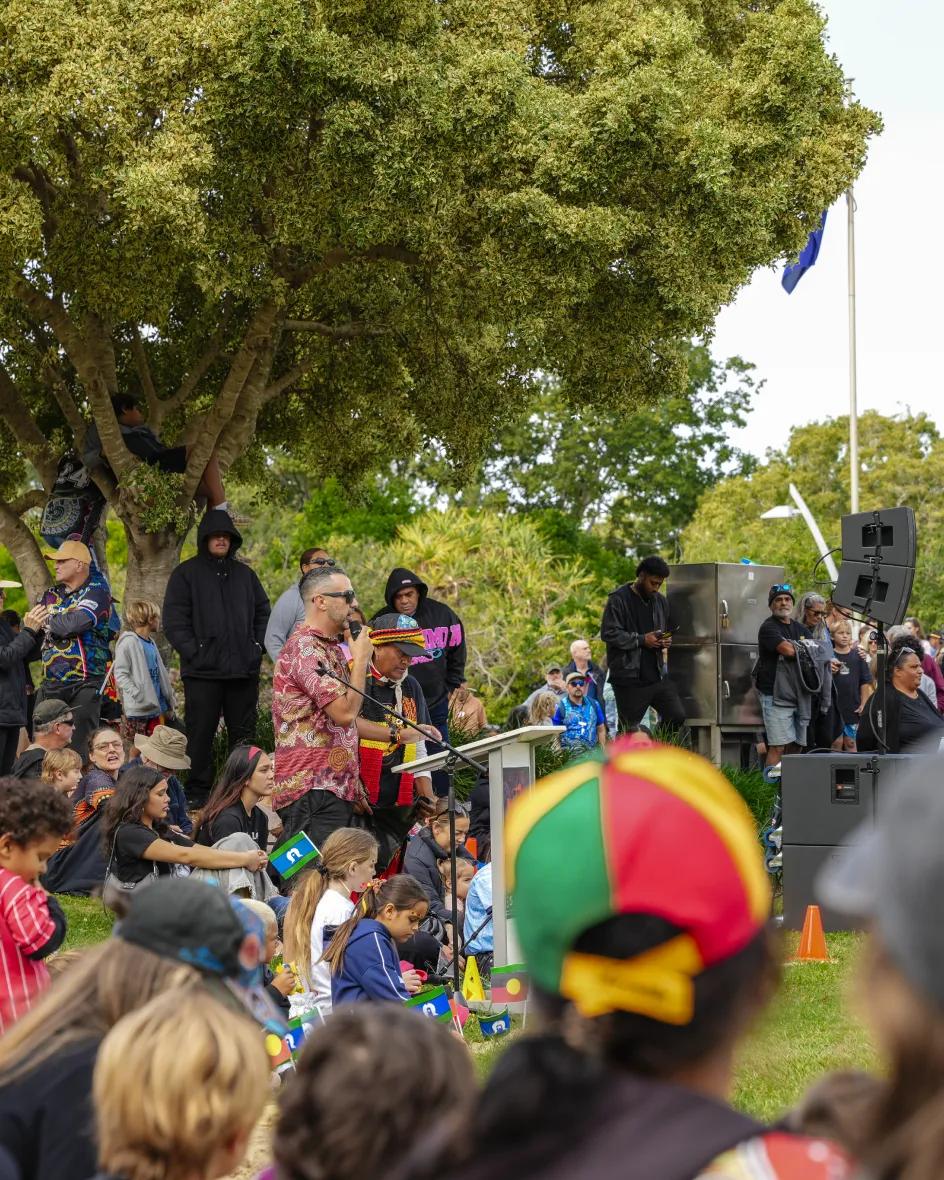
The Aboriginal population on the Gold Coast is now about 14,000, says Kieran. It’s no longer possible to know everyone and their families. Kalwun, under his leadership, has grown from 30 staff to 220. And with Jellurgal, the organisation has become a leader in the fast-growing Aboriginal tourism sector, welcoming Gold Coasters and visitors across Australia and around the world to better understand the ancient story of this place.
“I feel like every Aboriginal person has an obligation to keep culture alive,” he says.
“Whether you’re working in the space or outside it, in community or in business, working for government, we can keep culture alive in our own way — especially if you’ve grown up here and you’ve walked the sands here and walked the mountains, swam in the creeks. I take every opportunity I can to share it.”
Discover Kalwun Development Corporation
